
Soft Kerala Kallappam Recipe (Vellayappam)
Kallappam is one of the fondest staples of traditional Kerala Christian cuisine. Soft, porous, and pillowy with gently browned edges, these fermented rice and coconut pancakes carry a delicate hint of sweetness balanced by the warm aroma of shallots and cumin. Traditionally, the batter gets its signature rise and pleasant tang from fresh palm toddy (kallu)—which is where the name Kallappam originates.
While pure palm toddy is hard to find in modern city kitchens, you do not have to miss out on that nostalgic flavour. Over the years, I have perfected this easy homemade version using instant yeast and fresh grated coconut, keeping the texture just as spongy and melt-in-the-mouth. It is especially cherished during festive mornings like Christmas and Easter, though in our home, a warm stack often doubles as a comforting, fuss-free dinner.
Whether you are preparing a celebratory feast or simply want a wholesome South Indian breakfast beyond the usual idlis and dosas, this foolproof recipe will guide you through getting the fermentation and skillet temperature just right.
Helpful Cooking Tips & Technique
The Secret to Tenderness (Generous Coconut): Do not skimp on grated coconut. Using roughly one whole coconut (about 1.5 cups) guarantees that the pancakes stay moist and spongy even after they cool down.
Go Easy on Shallots: Use strictly 1 to 2 small shallots (cheriya ulli). Shallots provide authentic regional aroma, but adding too many can overpower the natural sweetness of the batter.
Water Temperature Matters: Always grind and blend your batter with lukewarm water (around 105°F–110°F / 40°C–43°C). Hot water will kill the yeast, while cold water will retard fermentation.
Fermentation Check: Keep the batter covered in a warm, draft-free spot for 5 to 6 hours. You will know it is ready when the surface looks frothy, airy, and bubbly with a gentle yeasty fragrance. Fold in salt only after leavening is complete.
Cooking Method: Unlike bowl-shaped Palappams, which are swirled in an appachatti, Kallappams are cooked flat like pancakes on a griddle or tawa. Pour a thick ladleful without spreading, cook gently on low flame until bubbles form, then flip briefly to achieve a delicate golden hue on both sides.
Recipes You Might Also Like
If you love authentic Kerala breakfast breads and festive curries, explore these reader favourites:
Classic Kerala Appam & Breakfast Breads
Perfect Curry Pairings
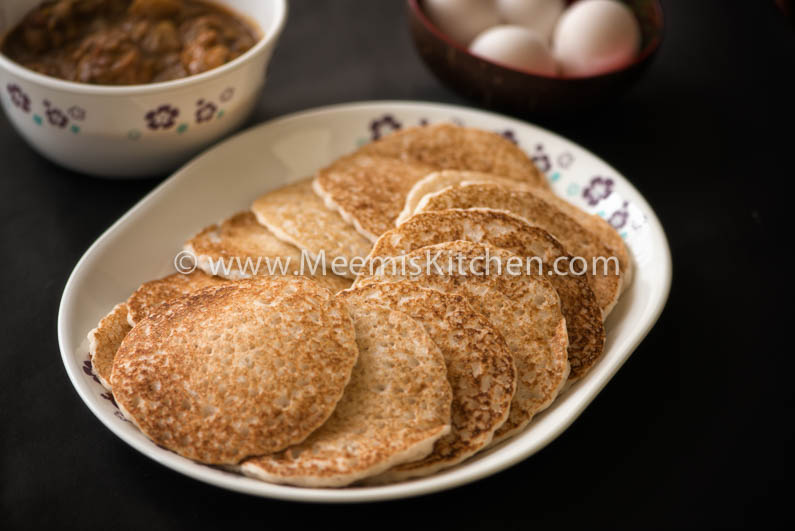
Soft Kerala Kallappam (Vellayappam)
Ingredients
For Batter Preparation & Grinding
- 2 cups Appam Rice Powder fine roasted rice flour, or idiyappam powder
- 1.5 cups Fresh Grated Coconut
- 2 tbsp Cooked White Rice
- 2 nos Shallots Small onions
- 0.75 tsp Instant Dry Yeast or 1 tsp active dry yeast
- 2 tbsp Granulated Sugar
- 1 pinch Cumin Powder Jeera powder
- 1.25 cups Lukewarm Water adjust as needed for thick idli-batter consistency
For Seasoning & Cooking
- 0.75 tsp Salt or to taste, added post-fermentation
- 1 tbsp Coconut Oil for greasing the pan/tawa
Instructions
Phase 1: Blending & Batter Preparation
- Grind the coconut base: In a blender jar, combine the grated coconut, cooked rice, shallots, instant yeast, sugar, and 0.5 cup of lukewarm water. Blend into a smooth, fine paste.
- Combine with rice flour: In a large mixing bowl, place the 2 cups of appam rice powder. Pour in the blended coconut mixture along with the remaining lukewarm water.

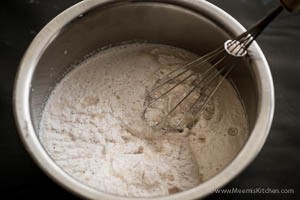
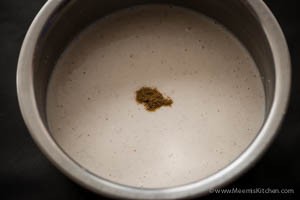
- Whisk to consistency: Mix thoroughly using a whisk or clean fingers to ensure no lumps remain. The batter should resemble the consistency of a thick idli batter. Stir in a pinch of cumin powder.
Phase 2: Fermentation
- Rest and rise: Cover the bowl loosely with a lid and place it in a warm, dark spot for approximately 5 hours (or 6 to 7 hours if using active dry yeast or in cooler weather) until it doubles in volume and turns bubbly.
- Season with salt: Once the batter is well-fermented, gently fold in the salt. Avoid vigorous stirring so you do not knock out all the trapped air.
Phase 3: Cooking the Kallappam
- Heat the griddle: Place a non-stick or seasoned cast-iron tawa/dosa pan over medium-low heat. Lightly grease the surface with a drop of coconut oil using a paper towel or oil spreader.
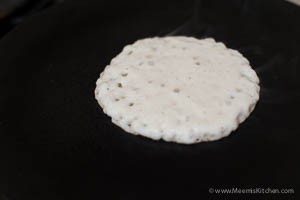
- Pour batter: Pour a generous ladleful of batter into the centre of the pan. Do not spread it out like a dosa; let it naturally settle into a thick, round pancake.
- Cook the first side: Cook on low heat for about 1 to 1.5 minutes until porous bubbles appear on the top surface and the underside turns light golden.
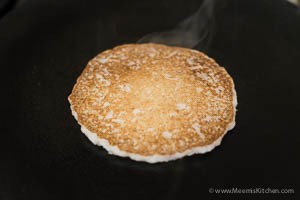
- Flip and finish: Gently flip the appam and cook the other side for another 30 to 45 seconds until light golden-brown specks appear. Remove and transfer to a warm container. Repeat with the remaining batter.
Notes
- Note / FAQ 1 (Can I make Kallappam with fresh toddy or coconut water?): Yes! If you have access to fresh sweet palm toddy (kallu), omit both yeast and water entirely; use toddy to blend and bring the batter to consistency. Alternatively, make a natural starter by fermenting 0.5 cup fresh coconut water with 0.25 tsp instant yeast and 0.5 tsp sugar in a sealed glass jar for 24 hours, then use it as your mixing liquid.
- Note / FAQ 2 (Can I substitute store-bought Idiyappam or Pathiri powder?): Yes. Standard store-bought roasted appam podi, idiyappam podi, or pathiri podi all work seamlessly for this recipe without altering the measurements.
- Note / FAQ 3 (What is the best way to store and reheat leftovers?): Store leftover cooled Kallappams in an airtight container in the refrigerator for up to 2 days. To reheat, wrap them in a damp paper towel and microwave for 20–25 seconds, or steam them in an idli pot for 2 minutes to restore their original spongy softness.
- Note / FAQ 4 (Serving Pairings): Pair hot Kallappams with spicy Kerala Nadan Chicken Curry, Duck (Tharavu) Roast, Kerala Egg Masala, or vegetable stew with coconut milk.


Hi chechi, just wondering can this be made with coconut milk instead of grated coconut? Want to make it today itself, but no grated coconut in store..:(
I like your food blog..:) all the best!
Hi Jane, Thank you for letting me know you like posts. For Kallappam, it is better to grind coconut, as the batter should be thick. But you can add thick coconut milk and add little more rice than mentioned and make it. If you have some thin Rice flakes (Aval) try that instead of coconut and add coconut milk for taste. All the very best.
Can I substitute the rice powder for appam by ricepowder for idiyappam ( store bought )
Yes Priya, you may do that. Appam, Idiyappam or Pathiri powder can be used for preparing this.
Hi Meena, I am really interested in the original version without the yeast. What is toddy (Kallu) and couldn t it be done at home, also?
How would the recipe change if you had that divine toddy?
Love to her your answer!
Hi Martin, Toddy is kind of a milky coloured wine obtained fresh from the sap of Palm trees in Kerala. It is sweet and sour in taste and you can add upto a glass instead of water while mixing the batter. Adjust the measures according to its sourness. Since it is difficult to get fresh toddy, we make a duplicate version with fresh Coconut water. For that in half glass Coconut water, add quarter teaspoon instant dry yeast and half teaspoon sugar. Mix well and keep covered in a glass bottle for a day. You can add this mixture while preparing the batter. Hope this helps.
I tried making Kallappam using your recipe, and it turned out delicious! The coconut milk added such a rich flavor. Thank you for sharing this authentic Kerala dish! Can’t wait to serve it to my family.
Hi, Thank you for your kind words and for taking time to message me. Hope everyone enjoyed. Keep visiting!
I tried making this recipe using your guide, and it turned out delicious! The coconut milk added such a rich flavour. Thank you for sharing this authentic Kerala dish! Can’t wait to serve it to my family.
Thank you for trying out my recipe. Glad you liked it.
I absolutely loved your recipe for Kallappam! It brought back so many wonderful memories of family gatherings. The tips you provided for achieving the perfect texture were incredibly helpful. Can’t wait to try making them myself! Thank you for sharing this delicious piece of Kerala cuisine!
Happy to know this. Hope you tried and it came out well.
I tried making Kallappam using your recipe, and it turned out delicious! The texture was perfect, and the tips you provided really helped. Thank you for sharing such a wonderful dish from Kerala! Can’t wait to try more from your blog!
Glad you liked it. Please try out more recipes.